
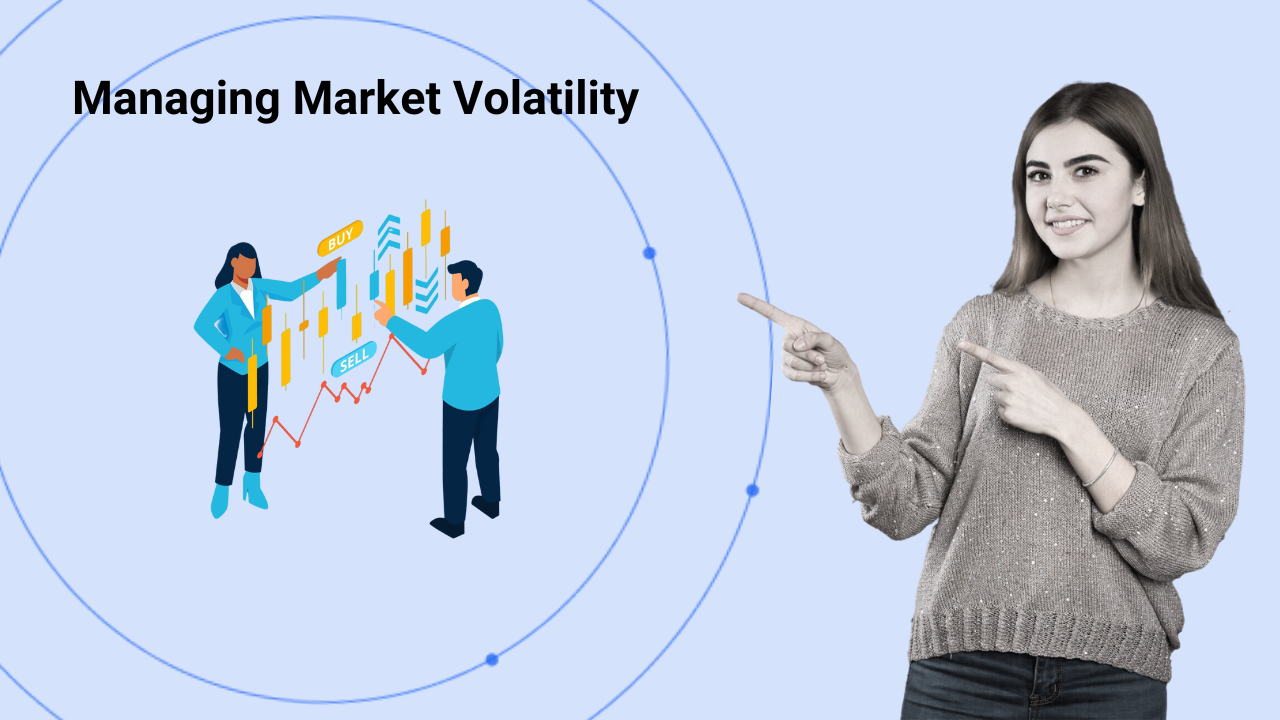
Volatility is not an exception in investing—it’s a constant. Yet, many investors approach it as an interruption. A sudden dip triggers panic. A sharp rally breeds impatience or greed. These emotional responses often lead to reactive decisions that undermine long-term wealth creation. The real edge lies in avoiding volatility and knowing how to respond when it appears. This blog explores how Gita-inspired thinking and structured systems like model portfolios help investors move from reaction to readiness—so they can stay grounded when markets are not.
Why is volatility emotionally exhausting?
When markets fluctuate sharply, it affects emotions and not just numbers. Investors often link market performance to progress, security, or personal confidence. A dip feels like a loss of control, and a rally can induce pressure to act.
This emotional intensity can cause:
- Over-monitoring of portfolios
- Impulsive buying or selling
- Doubting long-term strategies
- Comparing results with peers
The problem isn’t volatility—how unstructured emotions respond to it. Without a plan, investors react instead of reflecting.
How can volatility be managed with structure and discipline?
Volatility often catches investors off guard, not because it’s rare, but because they aren’t prepared. The key is to build a personal volatility protocol that transforms uncertainty into action.
Here’s how:
- Set risk thresholds: Know your downside limits and how you’ll respond before it happens.
- Automate contributions: Use SIPs to maintain consistency without having to rethink decisions every month.
- Follow defined rebalancing routines: Adjust allocations periodically or after significant changes, not based on fear or hype.
- Anchor decisions in goals: Let your long-term targets guide short-term actions—not the headlines.
- Reduce emotional exposure: Avoid checking your portfolio every day. Scheduled reviews build perspective.
- Track behaviour: Maintain a journal to capture how market moves make you feel—and how your responses align with your plan.
- Use model portfolios: These are built to align with risk profiles and reduce decision fatigue, especially during stress cycles.
When you build structure into your investing, you’re not at the mercy of the market. You become a participant with a process, not a bystander caught in emotion.
Why is emotional discipline a strategic advantage?
In the Gita, detachment doesn’t mean indifference—it means staying aligned with your role, even when outcomes are uncertain. In investing, this translates into staying true to your process through all market phases.
Investors who remain emotionally consistent tend to:
- Avoid panic-selling at market lows.
- Stay committed to compounding through SIPs.
- Make fewer, higher-quality decisions.
- Trust structure over speculation.
Markets will always move. Emotional discipline ensures that your investment strategy moves with purpose, not panic.
Conclusion: Volatility is external—readiness is internal
You cannot control the next market swing, but you can control how you respond. The path to long-term wealth isn’t found in constant adjustment—it’s built through composure and consistency.By defining a volatility strategy, automating your investments, and following rule-based systems like model portfolios, you stay prepared—even when the market is not. At Streetgains, our approach is grounded in this philosophy—supporting investors with structured tools that help them act with clarity, remain focused, and grow with discipline.
Disclaimer:
The content in this blog is intended for informational purposes only and does not constitute investment advice, stock recommendations, or trade calls by Streetgains. The securities and examples mentioned are purely for illustration and are not recommendatory.
Investments in the securities market are subject to market risks. Please read all related documents carefully before investing.
Managing Market Volatility with Discipline FAQs:
Because it creates uncertainty, and without a defined plan, most investors react emotionally instead of strategically.
Setting risk thresholds, automating SIPs, and using rule-based portfolios to define actions in advance.
No. Volatility is when long-term investing habits like SIPs become most powerful due to cost averaging.
They offer a structured approach aligned to your risk profile, helping reduce emotional reactions and keep your strategy intact.
Focus on process, not performance. Review periodically, not constantly. Stay anchored to your original goals.
Yes. Long-term investors benefit more from staying consistent than trying to time highs and lows.
Streetgains offers model portfolios and structured research that support disciplined investing and behavioural stability across market cycles.
FAQs:
-
1. How to earn money daily from trading?
Earning money daily from trading involves strategies like day trading, where traders capitalise on small price movements within the same day. Success requires real-time market analysis, quick decision-making, and risk management.
-
2. How to earn money from equity trading?
To earn money from equity trading, you need to buy stocks at a lower price and sell them at a higher price. Success depends on researching companies, analysing stock trends, and using technical or fundamental analysis.
-
3. How to earn money from share trading in India?
In India, share trading offers profit potential through buying and selling stocks on exchanges like the NSE and BSE. To maximise returns, traders should use market research, tools like technical analysis, and risk management strategies.
-
4. How to make money from share trading in India?
Making money from share trading involves selecting the right stocks, timing the market, and implementing trading strategies like swing trading or day trading while staying informed about market trends.
-
5. How to transfer money from a trading account to a bank account?
To transfer money from your trading account to your bank, log into your trading platform, navigate to the funds section, and initiate a withdrawal request. The money will typically be credited to your linked bank account in 1 to 3 days.
-
6. How to withdraw money from a trading account?
You can withdraw funds by logging into your trading account, selecting the withdrawal option, and selecting the amount to transfer to your bank account. Ensure your bank account is linked and follow any steps your broker requires.
Want Daily Stock Recommendations That Are Generated By Our Analysts ?
Join 3 Lakh+ Investors who have tried our Services