
Yoga isn’t just about posture, it’s about presence, rhythm, and inner alignment. The same principles apply to investing. True wealth isn’t created through emotional highs or perfect timing. It’s built through consistent, purposeful action. In a world of market noise and performance pressure, adopting a yoga-like mindset can transform how you invest.
This blog explores how investors can practise financial yoga, a calm, structured, and emotionally steady approach to long-term wealth building.
What is “financial yoga” in practical terms?
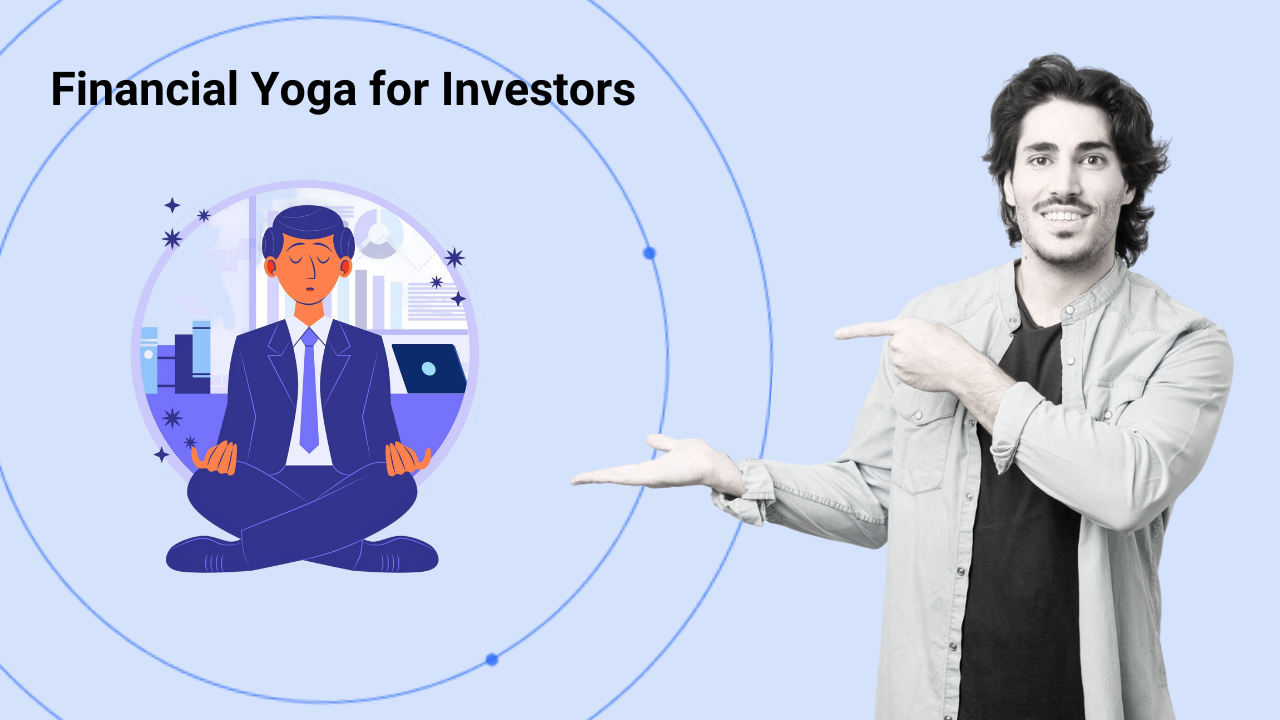
Financial yoga is the art of investing with mindfulness and consistency. Just as yoga encourages balance between breath, body, and awareness, financial yoga creates alignment between your money, mindset, and long-term goals.
It doesn’t require silence or seclusion, it requires a shift in approach:
- Discipline over drama: You invest regularly, not reactively.
- Process over prediction: You follow a clear routine instead of chasing market highs or fearing dips.
- Detachment over obsession: You trust your plan and reduce emotional attachment to short-term outcomes.
- Awareness over urgency: You stay present with your goals, not swayed by external noise.
Practising financial yoga means turning your investment activity into a rhythm, something you do with intention, not impulse.
Why do investors struggle with consistency?
Consistency is one of the hardest traits to maintain in investing, not because the concept is difficult, but because emotional and external triggers constantly pull focus away. Even investors with good strategies often drift due to:
- Market noise and media pressure: Constant updates create a sense of urgency that leads to impulsive decisions.
- Emotional volatility: Fear during downturns, greed during rallies, or regret from missed opportunities often override planning.
- Lack of a repeatable system: Without a structured approach, every decision feels new, leading to fatigue and hesitation.
- Chasing results instead of building habits: Many focus on short-term returns, rather than the process that compounds wealth over time.
Without rhythm and reflection, investing becomes reactive. The calm breaks. The discipline fades. And the cycle of inconsistency begins.
Building your personal financial yoga routine
Creating a calm and consistent investing practice begins with intentional design, just like a yoga sequence. The goal is not intensity, but sustainability. Here’s how to build a routine that supports financial clarity:
- Start with clear goals and risk awareness: Understand what you’re investing for, retirement, income, growth, and match it with your risk profile. This sets the foundation.
- Automate with SIPs: Like daily practice in yoga, SIPs create habit. They reduce decision fatigue, remove timing anxiety, and support emotional stability.
- Define a review rhythm: Check your portfolio quarterly or bi-annually. This rhythm allows space for clarity and keeps reactions in check.
- Journal your investing behaviour: Note how you feel during market highs or lows. Over time, this builds awareness and helps detach emotion from decision-making.
- Use rule-based strategies: Systems like model portfolios act like a structured flow, removing uncertainty and guiding you through all market moods with ease.
Financial yoga isn’t passive. It’s a conscious practice that allows space for growth without chaos.
How model portfolios support calm, consistent investing
In the same way that a yoga sequence provides structure to your physical practice, model portfolios offer a repeatable, goal-aligned flow for your financial journey. They help reduce emotional interference by giving your decisions a strategic rhythm.
Here’s how model portfolios become part of your financial yoga:
- Pre-set alignment with your goals: Whether you’re conservative or growth-oriented, the portfolio reflects your intention, not the market’s mood.
- Reduced decision clutter: You don’t have to rethink your asset allocation or chase trends, your strategy is already in place.
- SIP-ready and automation-friendly: Portfolios are built to support regular investing, helping you act consistently, even when markets fluctuate.
- Behavioural stability: Instead of reacting to every news cycle, investors can focus on sticking to their rhythm. This encourages emotional clarity and confidence.
- Review with purpose, not panic: Like checking your posture in yoga, model portfolios come with review guidelines, not daily check-ins, but strategic reflections.
With this structured support, investing becomes a habit that’s less about pressure and more about peaceful progress.
Conclusion: A calm mind creates long-term wealth
Yoga isn’t about intensity, it’s about intention. The same is true for investing. The investors who build real wealth aren’t chasing returns or reacting to headlines, they’re calmly and consistently showing up for their financial goals.
Financial yoga is about building a rhythm. It’s about acting with awareness, staying emotionally steady, and trusting a process that’s aligned with your purpose. At Streetgains, our model portfolios support this philosophy, helping investors move from scattered action to structured flow, and from market anxiety to investing clarity.
Disclaimer:
The content in this blog is intended for informational purposes only and does not constitute investment advice, stock recommendations, or trade calls by Streetgains. The securities and examples mentioned are purely for illustration and are not recommendatory.
Investments in the securities market are subject to market risks. Please read all related documents carefully before investing.
How Financial Yoga Transforms Your Investment Approach FAQs:
It’s a mindful, consistent approach to investing that prioritises discipline, emotional balance, and alignment with long-term goals.
It treats investing as a practice—like yoga—where routine, reflection, and structure matter more than short-term outcomes.
Because of emotional reactions, lack of structure, and reacting to noise instead of sticking to a process.
SIPs automate investing, remove timing stress, and encourage consistent behaviour over time.
Yes. Tracking decisions and emotions helps build awareness and reduce repeated behavioural mistakes.
They offer structure, reduce emotional decisions, and keep your strategy aligned with your financial purpose.
Streetgains offers model portfolios designed for goal alignment and emotional clarity, helping investors build calm, focused routines.
FAQs:
-
1. How to earn money daily from trading?
Earning money daily from trading involves strategies like day trading, where traders capitalise on small price movements within the same day. Success requires real-time market analysis, quick decision-making, and risk management.
-
2. How to earn money from equity trading?
To earn money from equity trading, you need to buy stocks at a lower price and sell them at a higher price. Success depends on researching companies, analysing stock trends, and using technical or fundamental analysis.
-
3. How to earn money from share trading in India?
In India, share trading offers profit potential through buying and selling stocks on exchanges like the NSE and BSE. To maximise returns, traders should use market research, tools like technical analysis, and risk management strategies.
-
4. How to make money from share trading in India?
Making money from share trading involves selecting the right stocks, timing the market, and implementing trading strategies like swing trading or day trading while staying informed about market trends.
-
5. How to transfer money from a trading account to a bank account?
To transfer money from your trading account to your bank, log into your trading platform, navigate to the funds section, and initiate a withdrawal request. The money will typically be credited to your linked bank account in 1 to 3 days.
-
6. How to withdraw money from a trading account?
You can withdraw funds by logging into your trading account, selecting the withdrawal option, and selecting the amount to transfer to your bank account. Ensure your bank account is linked and follow any steps your broker requires.
Want Daily Stock Recommendations That Are Generated By Our Analysts ?
Join 3 Lakh+ Investors who have tried our Services