
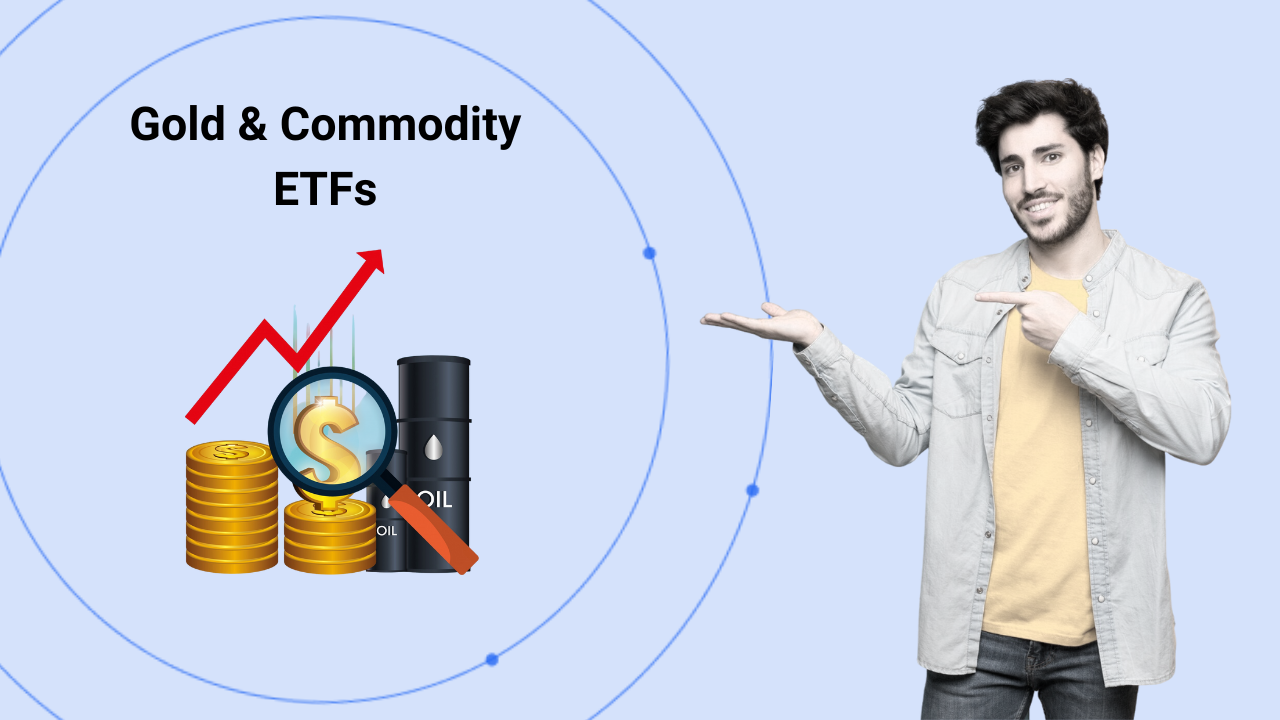
As Indian investors seek to diversify their portfolios and hedge against inflation, gold and commodity ETFs have emerged as accessible, low-cost alternatives to physical commodities. These ETFs offer exposure to precious metals, energy, and other essential resources, without the complications of storage, purity, or physical delivery. Their transparency, ease of trading, and SEBI-regulated structure make them a valuable addition to both short- and long-term portfolio strategies. This guide explores how commodity and gold ETFs work, how to evaluate them, and where they fit in a well-diversified portfolio.
Why Gold and Commodity ETFs Are Gaining Traction?
Gold and commodity ETFs allow investors to participate in commodity price movements without owning the physical asset. This makes them more convenient and efficient for portfolio inclusion. For instance, a gold ETF tracks the price of 99.5% pure physical gold, offering an opportunity to invest in the metal through the stock exchange.
Commodity ETFs are especially valuable in an inflationary environment. As the cost of raw materials rises, commodity prices often follow, helping ETFs preserve capital value. Unlike physical gold or silver, ETFs do not require safekeeping, and transactions are seamless through demat accounts and brokerage platforms.
Understanding the Structure and Types of Commodity ETFs
Commodity ETFs in India are structured to track either a single commodity (like gold) or a basket of commodities (multi-commodity ETFs). They can be broadly classified into:
- Gold ETFs: These track the domestic price of gold and are backed by physical holdings managed by custodians.
- Multi-Commodity ETFs: Though limited in availability, these offer exposure to multiple assets such as industrial metals or agriculture through equal-weighted or sector-based baskets.
While gold ETFs are more widely available, the Indian ETF market has started to explore multi-asset offerings. However, they remain niche and are typically accessed via fund-of-fund structures or international fund exposure.
Evaluating Gold ETFs vs Other Gold Investment Instruments
Gold ETFs are often compared with sovereign gold bonds (SGBs) and digital gold. Here’s how they differ:
- Gold ETFS provide liquidity, low transaction costs, and no lock-in period. They are ideal for short—to medium-term exposure.
- Sovereign Gold Bonds (SGBs) offer 2.5% annual interest and tax-free redemption after 8 years. They are best suited for long-term investors who do not need liquidity.
- Digital Gold: Allows fractional ownership and easy purchase, but lacks SEBI regulation and may involve higher spread costs.
Gold ETFs balance transparency and flexibility, especially for investors looking to integrate gold into their active portfolios without long-term holding commitments.
Factors to Consider Before Investing in Commodity ETFs
Before investing in any gold or commodity ETF, assess the following:
- Expense Ratio: A lower cost helps maximise returns, especially over more extended holding periods.
- Liquidity: High trading volumes ensure better price discovery and ease of entry/exit.
- Tracking Error: The difference between ETF performance and the benchmark should be minimal.
- Underlying Asset Exposure: Ensure the ETF is backed by actual commodities or accurately tracks futures prices.
- Issuer Credibility: Choose ETFs from established fund houses with consistent management and operational history.
These factors are critical in determining whether a specific ETF aligns with your investment goals and time horizon.
Strategic Role of Commodity ETFs in a Diversified Portfolio
Commodity ETFs provide diversification by adding non-correlated assets to your portfolio. Unlike equities and bonds, commodities often move independently, especially during inflation, geopolitical tension, or economic uncertainty.
Gold ETFs can serve as a core component of defensive strategies, while multi-commodity exposure adds breadth and can help manage event-based volatility. These ETFs are best used:
- As a hedge against inflation.
- For tactical exposure during commodity price cycles.
- In moderate allocations (typically 5–10%) within a long-term diversified portfolio.
Used thoughtfully, they can help reduce overall risk and smoothen returns, particularly when traditional assets underperform.
Enhancing Portfolio Strength with Gold and Commodity ETFs
Gold and commodity ETFs offer an efficient route to gaining exposure to key resources without dealing with physical asset limitations. For Indian investors, these ETFs are increasingly relevant in an era of inflationary pressures, global uncertainties, and the need for greater asset class diversification.When integrated thoughtfully, they provide stability and balance to portfolios anchored in equities and debt. Streetgains supports investors with well-researched ETF evaluations, helping them select suitable instruments to meet long-term financial objectives with reduced complexity.
Disclaimer:
The content in this blog is intended for informational purposes only and does not constitute investment advice, stock recommendations, or trade calls by Streetgains. The securities and examples mentioned are purely for illustration and are not recommendatory.
Investments in the securities market are subject to market risks. Please read all related documents carefully before investing.
Gold and Commodity ETFs FAQs:
They offer regulated, low-cost exposure without storage or purity concerns, with easy trading via demat accounts and better liquidity.
Gold ETFs provide daily liquidity. SGBs offer interest and tax-free maturity but have lock-in periods. Digital gold lacks regulatory oversight and may involve higher costs.
Direct options are limited, but some fund-of-fund or global commodity ETFs provide diversified exposure. Always check fund structure and risk profile.
Focus on tracking error, expense ratio, liquidity, and the credibility of the fund house managing the ETF.
Higher costs reduce net returns. Lower expense ratios are better for passive assets like commodity ETFs where returns come mainly from price movement.
Yes, they often retain or grow value when inflation rises or the rupee weakens, making them effective inflation hedges.
SIPs can work, especially in gold ETFs, but due to volatility, many investors prefer tactical, goal-based allocations.
Gold ETFs are liquid and actively traded. Other commodity ETFs may have lower volumes, so review trading activity before investing.
Streetgains provides research and performance insights to help investors effectively evaluate and allocate gold and commodity ETFs.
FAQs:
-
1. How to earn money daily from trading?
Earning money daily from trading involves strategies like day trading, where traders capitalise on small price movements within the same day. Success requires real-time market analysis, quick decision-making, and risk management.
-
2. How to earn money from equity trading?
To earn money from equity trading, you need to buy stocks at a lower price and sell them at a higher price. Success depends on researching companies, analysing stock trends, and using technical or fundamental analysis.
-
3. How to earn money from share trading in India?
In India, share trading offers profit potential through buying and selling stocks on exchanges like the NSE and BSE. To maximise returns, traders should use market research, tools like technical analysis, and risk management strategies.
-
4. How to make money from share trading in India?
Making money from share trading involves selecting the right stocks, timing the market, and implementing trading strategies like swing trading or day trading while staying informed about market trends.
-
5. How to transfer money from a trading account to a bank account?
To transfer money from your trading account to your bank, log into your trading platform, navigate to the funds section, and initiate a withdrawal request. The money will typically be credited to your linked bank account in 1 to 3 days.
-
6. How to withdraw money from a trading account?
You can withdraw funds by logging into your trading account, selecting the withdrawal option, and selecting the amount to transfer to your bank account. Ensure your bank account is linked and follow any steps your broker requires.
Want Daily Stock Recommendations That Are Generated By Our Analysts ?
Join 3 Lakh+ Investors who have tried our Services