
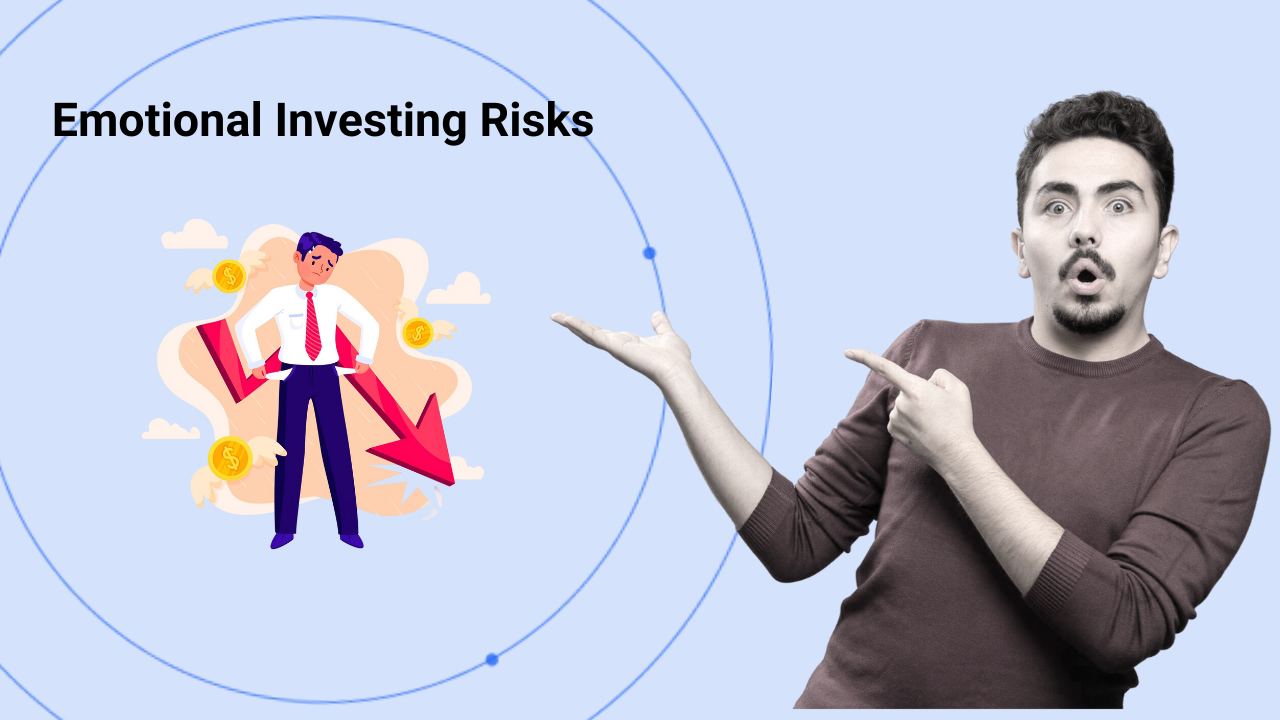
Data and trends govern markets, but most investors are driven by emotion. A market dip triggers fear. A rally sparks greed. Headlines, peer pressure, and memories of past mistakes fuel impulsive decisions. These emotional reactions might feel justified in the moment, but over time, they can undo years of progress. This blog explores how unchecked emotions in investing lead to financial setbacks—and how structure, clarity, and model portfolios help restore discipline and control.
What drives emotional investing in the first place?
Emotional investing doesn’t begin with bad intentions—it starts with natural reactions. When your money is on the line, emotions surface. The most common triggers include:
- Fear of loss: Especially after market dips, many investors withdraw early to “protect” capital—even if it breaks their strategy.
- Greed during rallies: Seeing fast-moving stocks or funds spike leads to jumping in late, often at the peak.
- Peer comparisons: Watching friends or influencers share returns builds pressure to chase similar gains.
- Regret and recovery behaviour: Past losses often prompt investors to make up for them through riskier decisions.
Without awareness, these emotions drive decisions, slowly shifting focus from planning to reacting.
What are the hidden costs of emotional decisions?
Emotional investing doesn’t just affect your state of mind—it affects your portfolio performance in multiple ways:
- Frequent portfolio switching: Emotional investors tend to jump between strategies, increasing churn and missing out on compounding.
- Breaking SIPs mid-cycle: Reacting to short-term dips by stopping SIPs disrupts long-term cost averaging benefits.
- Holding poor assets out of attachment: Investors hesitate to exit underperformers due to the hope of recovery or fear of regret.
- Chasing returns without clarity: Buying into hype without alignment to risk profile or goals leads to inconsistent outcomes.
Over time, these patterns reduce gains, introduce stress, reduce confidence, and damage consistency.
How does emotion break the logic of compounding?
Compounding requires time, consistency, and patience. But emotional reactions often interrupt all three. Here’s how:
- Inconsistent contributions: Pausing or skipping investments leads to lost opportunities, especially during recoveries.
- Increased costs: Frequent buying and selling incur unnecessary taxes, fees, and hidden transaction costs.
- Short-term thinking: Instead of planning for 10+ years, investors start tracking 10-day trends.
- Mental fatigue: The stress of reacting to every market move causes burnout, leading to avoidance or complete withdrawal from investing.
The long-term cost of emotional investing isn’t just in returns—it’s in lost discipline.
What does emotional mastery look like in investing?
You don’t have to be emotionless—you just have to be aware. Emotional mastery doesn’t mean ignoring your instincts; it means creating systems so your instincts don’t control your outcomes.
- Recognise patterns: Notice what triggers panic or greed, and observe how it influences your decisions.
- Detach from daily noise: Headlines will change daily. Your investment plan shouldn’t.
- Stick to your role: You must follow your process—not chase outcomes.
- Respond with structure: Create predefined responses for different market conditions. Don’t improvise under stress.
This is where investing aligns with timeless wisdom—acting with clarity, without attachment to immediate results.
How do model portfolios support behavioural stability?
Model portfolios offer more than diversification—they act as behavioural anchors. They help investors stay committed to a process when emotions try to derail it.
- Pre-defined strategy: Removes the need to rethink your investments every time the market shifts.
- Goal alignment: Portfolios are built around risk profiles and objectives, not market speculation.
- Automation through SIPs: Keeps contributions consistent and emotion-free.
- Reduced mental noise: With a structured system, you’re free from making frequent decisions under pressure.
When decisions are guided by structure, emotions have less power to disrupt the plan.
Conclusion: Stability isn’t found in market timing—it’s built through emotional clarity
Emotional reactions are expected in investing, but without structure, they become costly. Many investors lose not because of the market but because of how they respond. The real solution is not to chase better returns but to build better behaviours.At Streetgains, successful investing comes from pairing discipline with structure. Our model portfolios are built to help investors move from reaction to reflection—supporting long-term consistency in a short-term world.
Disclaimer:
The content in this blog is intended for informational purposes only and does not constitute investment advice, stock recommendations, or trade calls by Streetgains. The securities and examples mentioned are purely for illustration and are not recommendatory.
Investments in the securities market are subject to market risks. Please read all related documents carefully before investing.
Understanding and Overcoming Emotional Investing FAQs:
Emotional investing is when decisions are driven by fear, greed, or regret—rather than by a structured financial plan.
Because emotional decisions often interrupt long-term strategies, increase costs, and reduce consistency, breaking the compounding cycle.
Not entirely, but it can be managed through self-awareness, automation, and process-driven strategies.
They provide a pre-built plan based on risk profile, removing the need to rethink your investments during volatile periods.
SIPs automate investing, reduce the temptation to time markets, and keep you committed through highs and lows.
Reflect on what triggered those actions, define a clear strategy, and use structured tools like model portfolios to regain consistency.
Streetgains provides model portfolios and research grounded in behavioural insights—designed to help investors act with discipline, not emotion.
FAQs:
-
1. How to earn money daily from trading?
Earning money daily from trading involves strategies like day trading, where traders capitalise on small price movements within the same day. Success requires real-time market analysis, quick decision-making, and risk management.
-
2. How to earn money from equity trading?
To earn money from equity trading, you need to buy stocks at a lower price and sell them at a higher price. Success depends on researching companies, analysing stock trends, and using technical or fundamental analysis.
-
3. How to earn money from share trading in India?
In India, share trading offers profit potential through buying and selling stocks on exchanges like the NSE and BSE. To maximise returns, traders should use market research, tools like technical analysis, and risk management strategies.
-
4. How to make money from share trading in India?
Making money from share trading involves selecting the right stocks, timing the market, and implementing trading strategies like swing trading or day trading while staying informed about market trends.
-
5. How to transfer money from a trading account to a bank account?
To transfer money from your trading account to your bank, log into your trading platform, navigate to the funds section, and initiate a withdrawal request. The money will typically be credited to your linked bank account in 1 to 3 days.
-
6. How to withdraw money from a trading account?
You can withdraw funds by logging into your trading account, selecting the withdrawal option, and selecting the amount to transfer to your bank account. Ensure your bank account is linked and follow any steps your broker requires.
Want Daily Stock Recommendations That Are Generated By Our Analysts ?
Join 3 Lakh+ Investors who have tried our Services